We often hear the term “break the mould”. I wonder how many of us has the guts or even the urge to do it. Centuries of popular opinion, cause and effect studies, notions of good and not good, should and should not, have gone into making this mould. And how can we with our limited knowledge, average capacity and faulty judgment muster up the courage to break the mould? It is just safer to conform. Rather, it is easier to conform. We are too lazy to fight the objections, to answer questions and to explain our actions. Let’s not rock the boat!
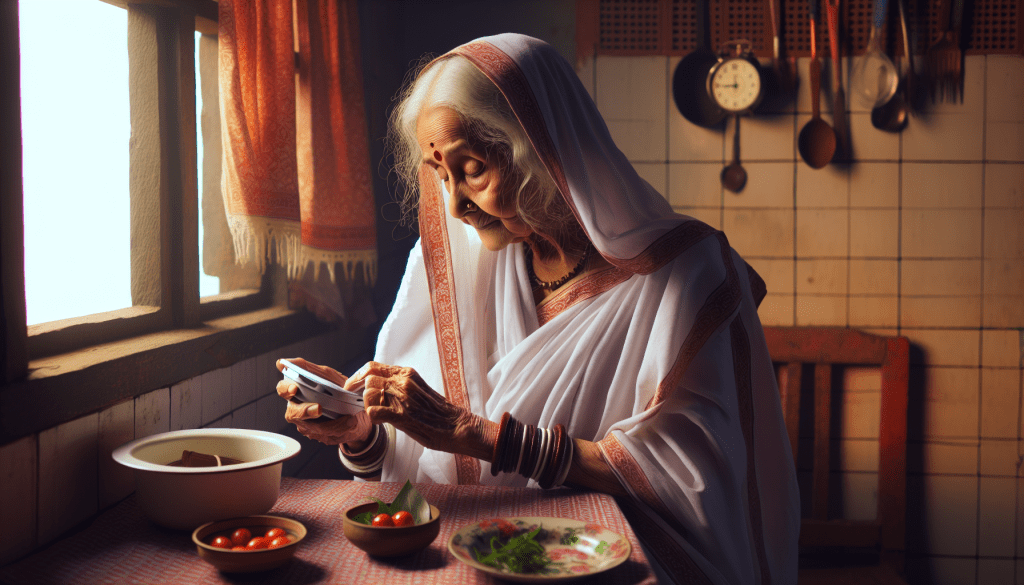
My earliest memories of my grandmother is of a short and cute lady, draped in a typical bengali red and white saree, sporting a red bindi on her forehead with a dash of red sindoor on the middle parting of her hair. She wore shakha pola and just the right amount of jewellery. She cooked well, made great pickles and was excellent with crafts and embroidery. She also prayed to God, recited mantras and told us stories from the Indian epics. Her external persona fitted really well into the “Indian grandmom mould”. Then, when my grandfather passed away, she wore white sarees, removed all her jewellery and switched to vegetarian food. Now, her external persona conformed to the “widowed Indian grandmom mould”.
But a lot of things about her surprised me, as I felt her inner self did not conform to the mould I wanted to put her in. She did not break that mould, at least not enough to shatter it, but she shifted the boundaries of the mould enough to be noticed. She did not keep chanting with prayer beads, she did not keep reminiscing the past, she did not keep bad mouthing her daughters-in-law. She read a lot, watched TV, especially movies, tried out new recipes and asked feedback. I was pleasantly surprised when she said she had read Shakespeare, Dickens and even Bernard Shaw, of course in Bengali translation. She could argue on most subjects that we youngsters argued on and it surprised us how she could dip into her memory of some movie or book to give us examples!
It’s a culture in India for elders to bless a woman that she dies before her husband. Widowhood is considered inauspicious and women pray that they never get to see the pains of widowhood. My grandma surprised me, when she said that she had never prayed to die while her husband was alive She wanted my granddad to die before her as he was not too well and she feared there would be no one to look after him if she died before him.
I was surprised when she argued against the rules that bound Indian women. Why did a woman need to wear things around her hand, her neck, her toes, on her hair to show to the world that she is married? Why didn’t men need to do the same? Why is it that a widow needed to wear white, cut her hair and turn herself unattractive? A widower did not need to do anything, he could marry someone else the next day! Typical questions for our generation, but rebellious for theirs.
She loved to go out, have fun, eat junk food and drink coca cola. A lot of her loved ones termed her “modern” and hence not worthy of their reverence. She deviated the course just a little bit, twisted and turned in the mould and made a few statements. Nothing too revolutionary, but enough to be noticed and sometimes discussed.
How do we treat such deviations? Most times we condemn them, rather than admire. We express shock at their courage. Is our shock, our condemnation just a by-product of our envy? Are we jealous that while we are following to the tee, the requirements of the role that we are playing, while someone else has the guts to not conform and even get away with it?
Let’s put that laziness, that fear aside and do what we want to do, not what our parents, siblings, children, spouse, extended family and society think we should be doing!
 Bashari Chakraborti's Blog
Leave a comment